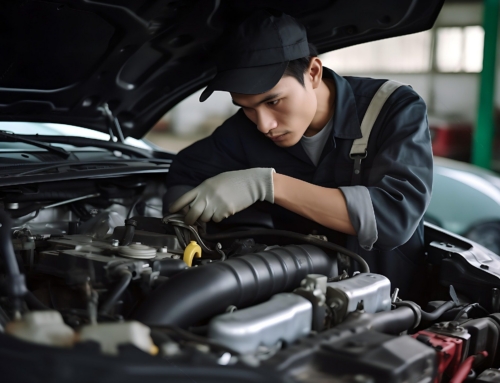
What Florida’s Heat Does to Your Car Battery (and How to Make It Last)
Most drivers assume a car battery just wears out over time, the way an old phone battery does. In Florida, something else is going on. The heat outside your window is actively working against your battery every single day, whether you’re driving or parked.
Here’s the frustrating part: a battery can weaken all summer without giving much warning, then finally give out on the first cool morning, right when you’re trying to get out the door for work or school drop-off. For anyone already stretching a budget, an unexpected tow or battery replacement is a real hit.
The short answer: heat, not cold, is the top cause of battery failure in Florida. Tampa’s summer average high sits near 91°F, and sustained heat like that speeds up the chemical reaction inside a car battery, wearing it down faster than it would in a cooler climate. A battery that lasts five years up north often only lasts about three here in Tampa Bay, according to AAA. The good news is a few simple habits can slow that wear down considerably.
A quick battery check is worth doing before Florida’s hottest months arrive. If you want more general upkeep tips for used vehicles in this climate, our blog has you covered.
In This Guide
Why Florida Heat Is Harder on Batteries Than Cold Winters
Heat speeds up the internal chemical reaction that generates your battery’s electricity, and that same reaction also wears down its internal components faster. In hot southern climates, a battery typically lasts around three years, compared to five-plus years in cooler northern climates. Under-hood temperatures on a hot day can easily climb past 200°F, a much harsher environment than a battery is built to handle long-term.
Tampa Bay’s own numbers back this up. NWS climate normals show the area’s summer average high runs 90.9°F, with an average temperature of 83.6°F across June, July, and August, among the hottest seasonal stretches on record here. It’s not the brief winter cool-down that damages a battery. It’s months of sustained heat like that, year after year.
For more Florida-specific care tips beyond the battery, Used Car Care 101 for Florida Owners covers the rest of what this climate does to a used vehicle.
Warning Signs Your Battery Is Struggling
A few signs are worth watching for:
- A slow engine crank or a brief delay before the car starts
- A battery or charging warning light on the dashboard
- Dim headlights, especially while idling
- Corrosion buildup around the battery terminals
Oddly enough, these symptoms often show up in cooler weather, not during the heat of summer. That’s because the heat causes the underlying wear all summer long, and the first cool morning is simply when a weakened battery finally has to work harder than it can manage. This is accelerated wear, not a guarantee your battery will fail. NHTSA recommends having a mechanic check your battery and charging system as part of routine seasonal service, especially before heavy summer driving.
If any of this sounds familiar, you can schedule a battery check with our repair team before it turns into a no-start morning.
How to Extend Your Battery’s Life in Florida’s Climate
A few habits go a long way:
- Park in shade or a garage when you can, to cut down on under-hood heat exposure
- Have the terminals inspected and cleaned regularly to manage corrosion
- Once your battery is a few years old, ask a technician to test its voltage and charging system at every oil change
- Avoid letting a battery sit fully discharged, which shortens its life faster in hot climates
- Turn off lights, chargers, and accessories when the engine is off
At some point, a battery replacement becomes a normal part of Florida car ownership rather than a crisis to dread. If you’re weighing a replacement vehicle instead of a repair, every car here is inspected by certified mechanics before it’s sold, so buyers start with a battery that’s already in good shape. Feel free to browse current inventory if that’s the direction you’re leaning.
Frequently Asked Questions
How long do car batteries last in Florida?
Around three years in Florida’s heat, compared to five-plus years in cooler climates, according to AAA. Actual results vary with usage and maintenance.
Why does my battery die in the fall instead of summer?
Heat causes the underlying damage over the summer months, and the added strain of the first cooler morning start is often what finally reveals it.
Can I test my own car battery?
You can watch for basic signs like headlight dimming or a slow crank, but a professional voltage and load test gives a far more accurate read on its actual condition.
Does parking in the shade really help?
Yes. Reducing heat exposure lowers the stress on the battery’s internal chemistry, which is exactly what accelerates wear in the first place.
The Bottom Line
Florida’s heat, not its mild winters, is the real enemy of battery life. Building a simple habit around it goes a long way: shade when you can, clean terminals, and a professional check once a year.
Auto Approval offers on-site vehicle inspection and repair as a judgment-free, convenient option for drivers throughout Brandon and Hillsborough County. If it’s been a while since anyone’s looked at your battery, contact Auto Approval to get it checked before the heat does any more damage. No matter where your car or your credit stands, we’re here to help you keep moving.
Beat the Heat to the Punch
Judgment-free battery checks and repairs in Brandon, serving all of Hillsborough County.